Student Loans
Student Loans
College Loan Benefits
Applying for Loans
Choosing a Lender
Compare Loans
Borrowing Amount
Government Loans
Federal Loans
Government Loans
Stafford Loans
Perkins Loans
Federal Direct Loans
Low Interest Loans
Fed Loan Distribution
State Student Loans
Alternative
Alternative
Parent PLUS Loans
Graduate PLUS Loans
Home Equity
Major Lenders
Loan Organizations
Private Student Loans
ACS Student Loans
NelNet
Sallie Mae
Signature Loans
Loan Consolidation
Loan Consolidation
Consolidation Benefits
Consolidation for Graduate Students
Loan Repayment
Repayment Options
Loan Grace Period
Student Loan Discounts
Loan Cancellation
Student Loan Precautions
Loan Forgiveness
Defaulted Loans
Getting Out of Default
Loan Deferment
Loan Forbearance
Federal student loans come from two main sources. The Federal Direct Loan Program is funded by the U.S. Department of Education while student loans from the Federal Family Education Loan Program are funded by participating FFEL program lenders.
Both programs include the standard Federal student loans: the Stafford Loan, PLUS Loans and the Federal consolidation loan.
There is little difference between the Direct Loan program and the FFEL program. Your college or university will let you know in which program it participates. You may find your college participates in both, in which the choice of loan program is up to you.
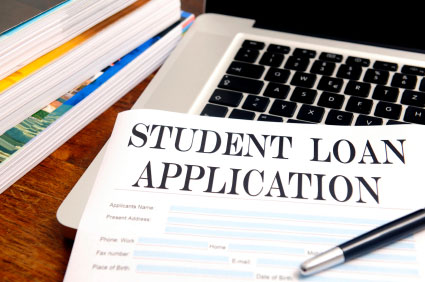
Federal loans borrowed through the Direct Loan Program are almost the same as those borrowed through a FFEL lender with one significant exception: with a Federal Direct loan you conduct all business directly with the federal government's Direct Loan Servicing center.
Features of the Direct Loan program include:
The requirements for Federal Direct student loans are the same as other Federal student loans. In order to qualify for these loans you must:
You must complete the Free Application for Federal Student Aid , or FAFSA, and file it before the Federal and state deadlines. If you fail to file in time you eliminate your chances of a securing a low cost Federal loan for the upcoming school term and will not be able to re-apply until the following term. The application is lengthy and in depth. Your guidance counselor or college adviser can help you through any difficult sections.
After your FAFSA has been reviewed you will receive a Student Aid Report or SAR which will detail any and all Federal loan and grant programs for which you are eligible. This information will also be forwarded to your college of choice and they will coordinate with you as regards any loans and grants to which you are entitled.
If you have qualified for a Direct Stafford Loan or a PLUS Loan you must complete a Master Promissory Note. This is a legally binding contract between yourself and the U.S. Department of Education, the lender to whom you will eventually be making all of your loan repayments.
Federal Direct Stafford Loans and Federal Family Education Loans include a 6 month grace period following graduation before you must begin repayment. All Federal student loans offer four basic payment plans. They are:
Find out more about the Federal Direct Loan Program by visiting the Federal Student Aid government website.